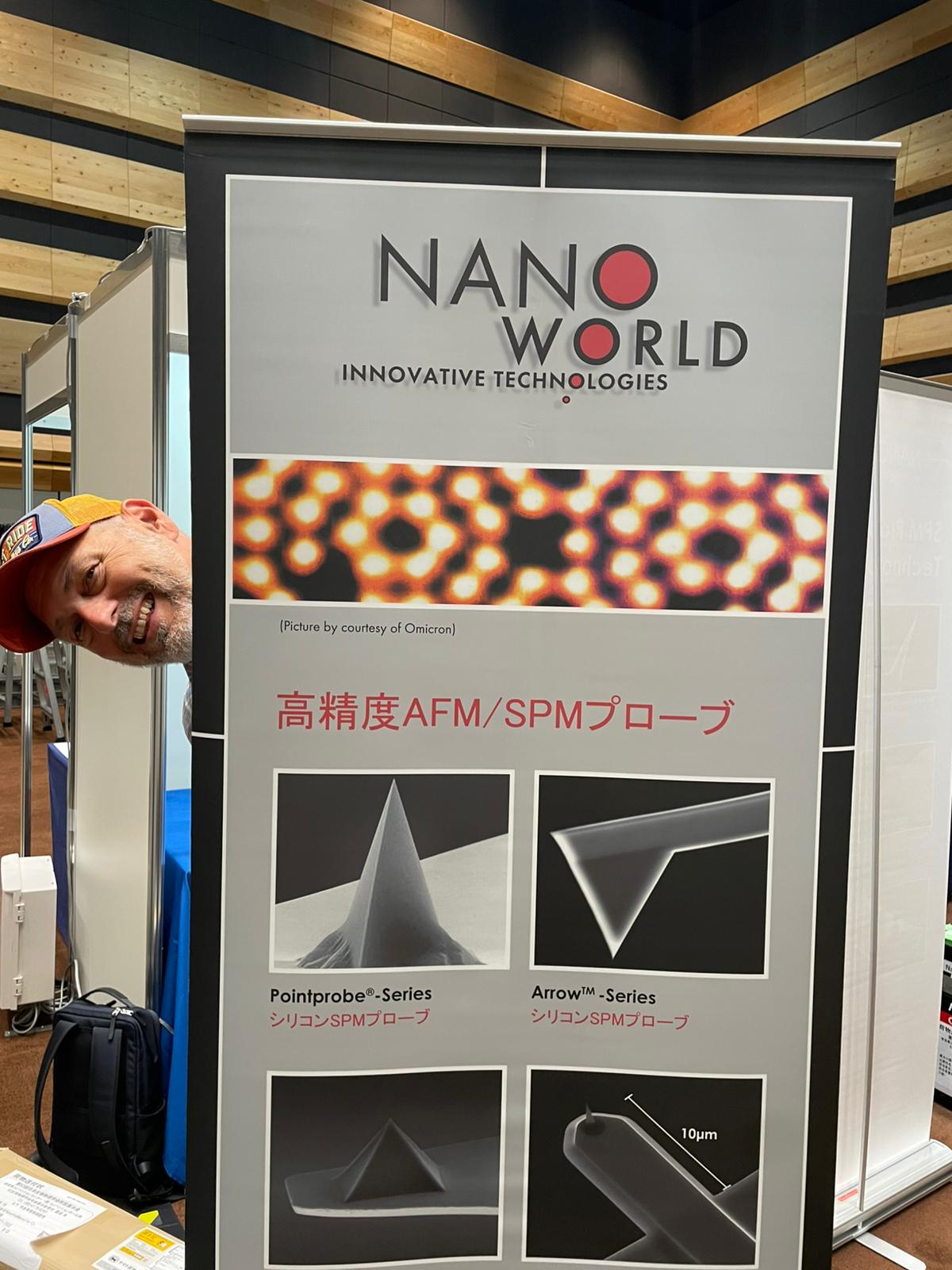

NanoWorld® AG CEO Manfred Detterbeck will be at the NanoAndMore Japan booth at the 63rd Annual Meeting of the Biophysical Society of Japan held from September 24– 26, 2025 at Nara Prefectural Convention Center.

Will we meet you there too?
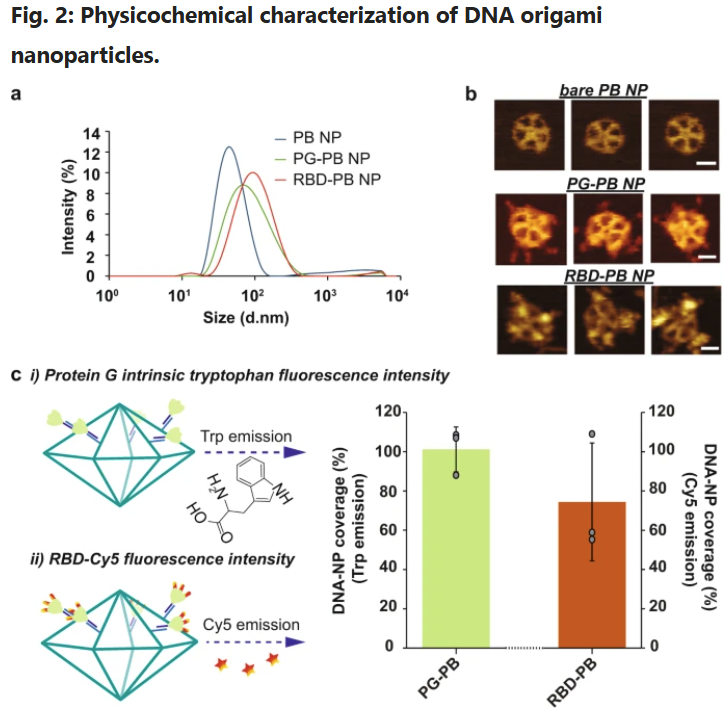
A study recently published in Communications Biology (Nature Portfolio) by Esra Oktay, Farhang Alem, Keziah Hernandez, Michael Girgis, Christopher Green, Divita Mathur, Igor L. Medintz, Aarthi Narayanan, and Rémí Veneziano introduces an innovative DNA origami–based nanovaccine platform targeting the receptor-binding domain (RBD) of SARS-CoV-2.
Their findings highlight the potential of rationally engineered DNA nanoparticles to elicit strong and durable immune protection.
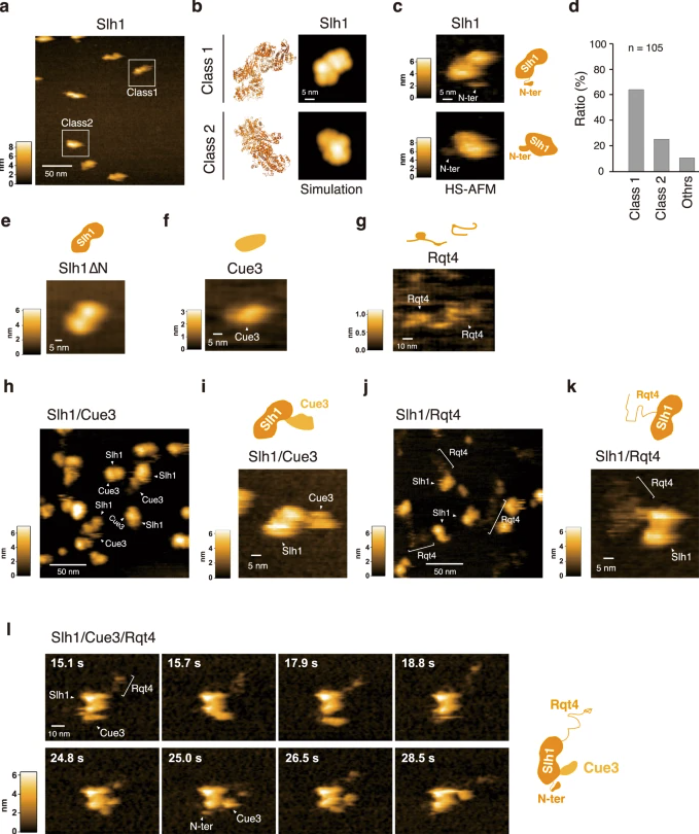
Matsuo et al., recently published a landmark study in Nature Communications (vol. 14, article 79, Jan 10 2023). , looking at how cells recognize and resolve ribosome collisions—a critical event in obeying translational fidelity and avoiding protein quality control failure.
The researchers employed a combination of molecular genetics, biochemical assays, ubiquitin-binding studies, and advanced imaging. Key steps included mutational deletion of ubiquitin‐binding domains in RQT subunits, affinity assays for K63-linked ubiquitin chains, and highspeed atomic force microscopy (HSAFM) to visualize complex behavior at the molecular level. Notably, they used intrinsically disordered regions of Rqt4 mapped by realtime HSAFM.
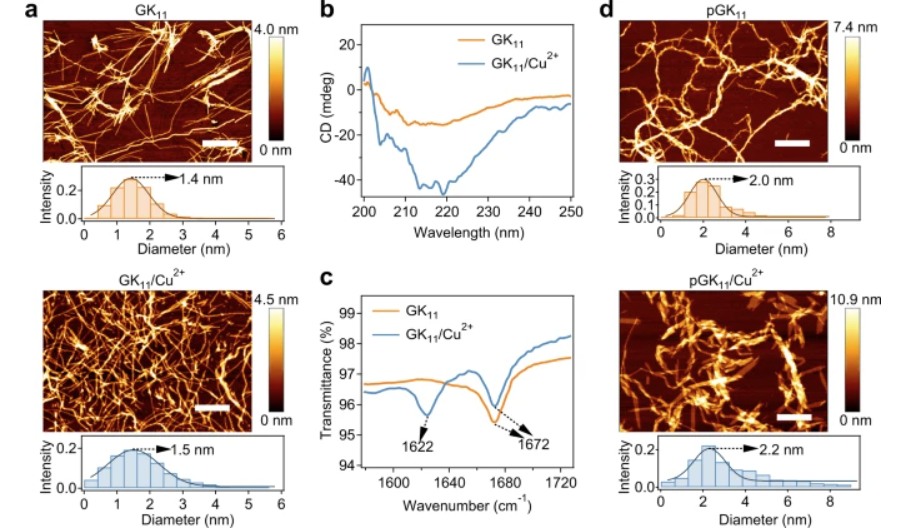
Bin Xue et al. have presented a novel class of biomimetic hydrogels that simultaneously exhibit high stiffness, toughness, fatigue resistance, and ultrafast mechanical recovery—properties that are notoriously difficult to combine in conventional polymeric systems. Their design is inspired by the architecture of mussel foot proteins and is centered around self-assembling peptide fibres termed “picot fibres”, which act as hierarchical load-bearing domains.
Read more...
One of the co-inventors of AFM! Born on July 20th 1947, in Frankfurt, West Germany, Prof. Binnig has made extensive contributions to scanning probe microscopy techniques, including AFM and STM. For his work on STM, he was distinguished with the 1986 Nobel Prize in Physics, shared with Heinrich Rohrer.
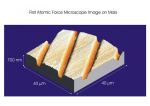
On July 9th 2008 this calibration image was acquired by NASA’s Phoenix Mars Lander, making it the first AFM image acquired on another planet! The inclusion of an AFM, as part of Phoenix’s Microscopy, Electrochemistry and Conductivity Analyzer, allowed for imaging at an unprecedented resolution, offering a 20-fold increase compared to the on-board optical microscope.
Photo credit: ASA/JPL-Caltech/University of Arizona/University of Neuchatel
#AFMprobes #AFM #AtomicForceMicroscopy #Mars